Best Time to Visit Morocco: A Month-by-Month Guide
Morocco is a year-round destination, but the country stretches from the Atlantic coast to the Sahara and from sea level to 4,000-meter peaks. That means the 'best' month depends entirely on where you plan to go and what you want to feel.
By Yassine El Amrani
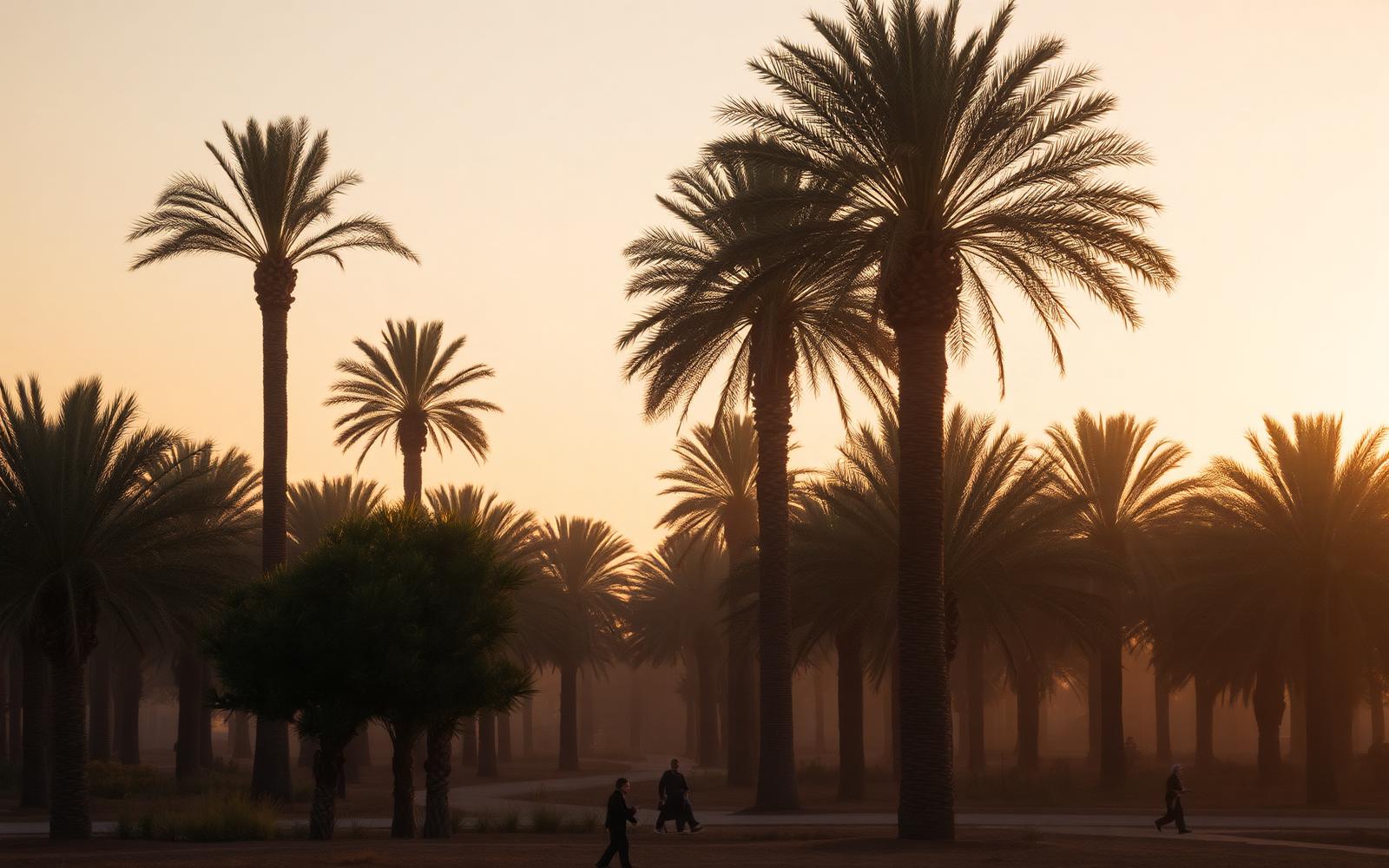
March to May — the sweet spot
Spring is our most-booked window. Marrakech sits between 22–28°C, the Atlas wildflowers bloom, and the desert nights are cool but no longer freezing. Book Sahara camps 3–4 months ahead.
June to August — coast over cities
Inland cities push past 40°C. This is when locals move to Essaouira, Oualidia and the northern Rif. Skip the desert; favor Atlantic breezes and mountain villages above 1,800 m.
September to November — the second peak
Harvest season. Argan pressing in Souss, dates in the Draa Valley, and the return of long comfortable days across the imperial cities. Great light for photography.
December to February — desert and snow
Sahara days are 20°C and nights near freezing — bring layers. Oukaïmeden and the High Atlas get snow. Marrakech riads run their fireplaces; prices drop outside the holidays.
Frequently asked questions
Is Ramadan a good time to visit Morocco?
Yes, if you value cultural depth over restaurant hours. Most tourist restaurants stay open; iftar in a riad courtyard is unforgettable. Expect quieter mornings and lively evenings.
When is the Sahara too hot?
From mid-June through August, daytime highs in Merzouga regularly exceed 45°C. We stop programming desert nights in that window and pivot itineraries to the coast or Middle Atlas.
What's the rainy season?
November through March, mostly in the north (Chefchaouen, Tangier) and the Atlas. Rarely more than 2–3 wet days per week.